Powell River Top General Contractor for Custom Construction Projects
Powell River Top General Contractor for Custom Construction Projects
Blog Article
General Contractor: Your Top Professional for Home Projects
A general contractor takes on a fundamental role in home projects. They manage assorted components of construction, confirming that everything runs flawlessly. Their expertise with construction codes and compliance requirements enables them to overcome the complexities of permits and evaluations. This experienced professional functions as a critical link between homeowners and subcontractors. However, many homeowners stay unsure about the total scope of their services. Understanding these facts can have significant bearing on the success of any renovation effort.
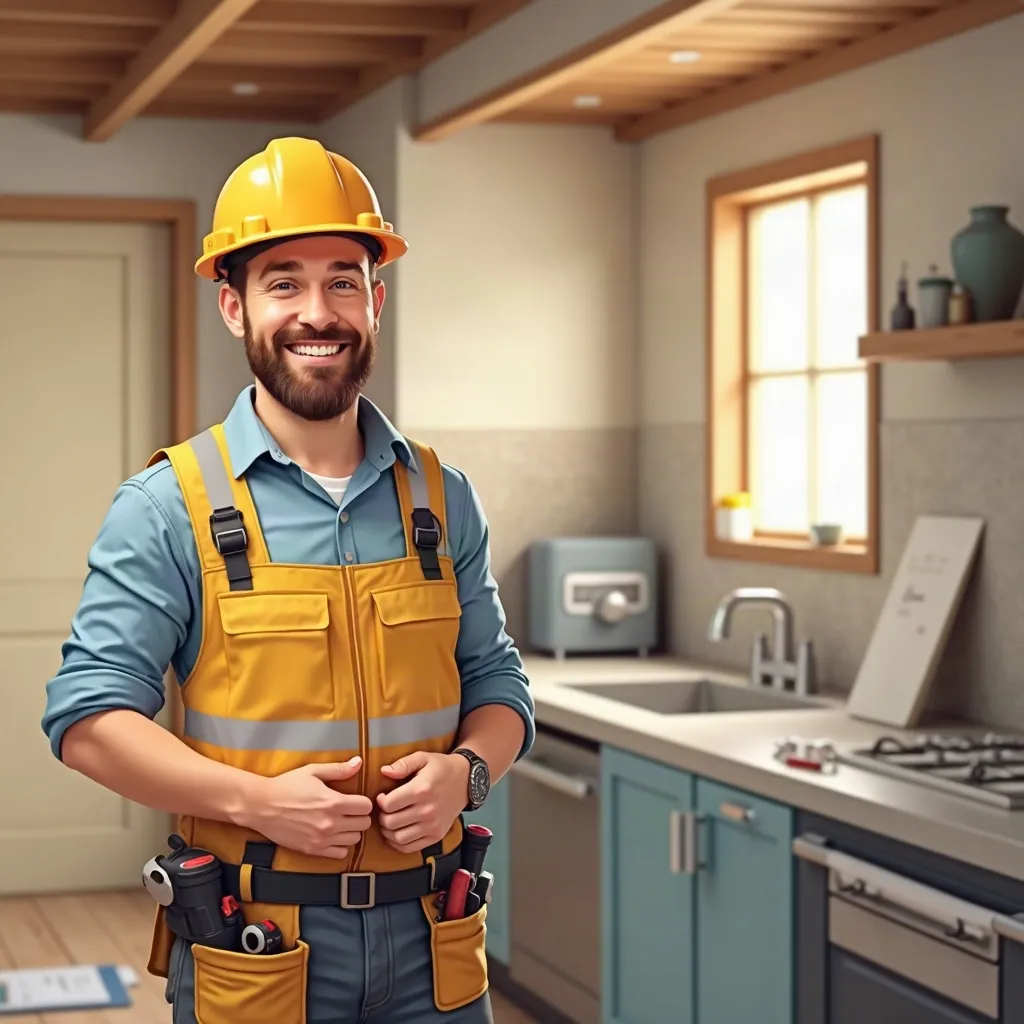
Which Tasks Do a General Contractor Accomplish?
A general contractor manages the diverse facets of a structural project, confirming that all operations flow without issue from opening to closing. They serve as the primary point of contact, managing communication between stakeholders, contract workers, and distributors. This role requires planning the construction calendar, arranging personnel, and ensuring compliance with municipal construction standards and regulations.
General contractors are responsible for acquiring required licenses and arranging inspections, which are vital for maintaining safety and quality standards. They also manage budget planning, material procurement, and overseeing site operations to prevent any possible setbacks or complications. In addition, they oversee subcontractors, making sure that each phase of construction aligns with project specifications and timelines. Overall, a general contractor's knowledge and management abilities are essential to delivering a successful construction project, transforming a client's vision into reality while balancing multiple tasks and responsibilities.
Advantages of Utilizing a General Contractor for Residential Remodeling
Hiring a general contractor for home renovations offers numerous benefits that can significantly improve the efficiency and quality of the undertaking. General contractors possess knowledge in managing projects, ensuring that timelines are met and resources are allocated effectively. Their strong connections with subcontractors can lead to improved rates and excellent craftsmanship, which eventually saves homeowners both time and money.
Moreover, construction managers manage the intricate details of licensing and compliance, minimizing possible regulatory problems. They also provide a unified liaison, easing dialogue and collaboration among different contractors. This optimization reduces the chance for valuable resource confusion and setbacks.
Furthermore, their experience enables them to foresee potential challenges, facilitating preventative measures to maintain the project on track. By hiring a general contractor, homeowners can concentrate on their vision while enjoying peace of mind, understanding that a professional is overseeing every aspect of the renovation.
Refuting False Notions About Construction Contractors
Many property owners may hold misconceptions about general contractors, but understanding the realities can lead to more informed decisions. A common myth is that hiring a general contractor is unnecessary for minor projects; yet, their ability can streamline even minor renovations, ensuring compliance with local codes. Another common belief is that general contractors are simply middlemen, but they usually possess wide knowledge in different specialties, allowing them to supervise projects successfully. Furthermore, some homeowners think that collaborating with a contractor will dramatically raise costs. In truth, a skilled contractor can often attain better discounts for materials and labor due to firm relationships with suppliers and subcontractors. Lastly, many believe that contractors are inflexible, but reputable contractors emphasize client communication and work closely to fulfill specific needs. Cleared up myths can empower clients to make the most of the actual value of contractors in completing effective home projects.
Selecting the Right General Contractor?
How can homeowners guarantee they choose the ideal general contractor for their undertakings? The approach starts with thorough research. Property owners should obtain suggestions from friends, family, or online reviews to locate qualified contractors. Once a list is assembled, confirming credentials, such as licensing, insurance, and bonding, is vital to confirm credibility.
Next, homeowners should request and review portfolios of previous work, concentrating on assignments of comparable size. Scheduling meetings allows property owners to assess fit, covering timelines, budgets, and expectations. It's also recommended to get several estimates for evaluation, providing a clear understanding of costs.
Verifying references offers understanding of a contractor's competence and integrity. Finally, relying on your gut feeling is essential; an opening discussion can uncover a contractor's way of communicating and methodology. By following these steps, homeowners can substantially improve their chances of selecting a general contractor who suits their requirements and aspirations.
Powerful Messaging Strategies For Working With Your General Contractor
Which approaches can homeowners employ to maintain proper interaction with their general contractor? Creating open dialogue from the outset is necessary. Homeowners should distinctly articulate their requirements, project targets, and financial limits during first meetings. Frequent communications can be enabled through scheduled meetings, ensuring that both parties remain in sync throughout the project.
Leveraging documentation records, like emails or project logs, strengthens verbal agreements and decreases misunderstandings. Homeowners should equally encourage open dialogue by soliciting feedback and questions from the contractor, fostering a cooperative environment.
In addition, tapping into technological tools, like project management apps, can refine communication by supplying a centralized interface for sharing updates, timelines, and changes. Finally, acting respectful and welcoming can elevate rapport, allowing it less difficult for the contractor to articulate challenges or suggestions in an effective manner. By applying these strategies, homeowners can build up a rewarding and transparent bond with their general contractor.
Things to Know When Your Initiative Starts?
As the initiative begins, homeowners can expect a burst of activity on-site. The general contractor will organize groups of experienced professionals, such as electricians, plumbers, and carpenters, who will begin their tasks according to the established timeline. Homeowners may notice heavy machinery and materials being delivered, generating a bustling environment.
Staying in communication is essential during this phase. The contractor will deliver information on how things are progressing and address any concerns that emerge. Homeowners should ready themselves for potential disruptions, such as noise and limited passage to certain areas of the home.
Safety safeguards will be in place to defend both workers and residents, confirming a secure space. Additionally, homeowners may be advised to sustain flexibility, as unforeseen issues can arise, compelling adjustments to the original plan. Overall, this initial phase creates the conditions for the successful completion of the project, and active engagement is essential.
Essential Questions for Your Contractor Contract?
Selecting the right topics to pose when finalizing a general contractor agreement is necessary for guaranteeing a problem-free project. Homeowners should request information about the contractor's license and protection to verify their qualifications and protection against claims. Understanding the project timeline and milestones is essential; therefore, asking about anticipated completion dates helps establish expectations.
It is also necessary to articulate payment terms, such as deposit amounts and payment schedules, to forestall misconceptions. Home purchasers should secure a granular analysis of outlays, featuring materials and skilled work, to copyright accountability. In addition, engaging in discussion about the process for addressing changes or unforeseen issues can avert disagreements subsequently.
Lastly, property owners must seek information about subcontractors and their qualifications, as well as the communication approach of the contractor throughout the project. By tackling these inquiries, homeowners can foster a productive relationship with their general contractor, ultimately resulting in a successful home project.
Regularly Asked Questions
What Methods Do General Contractors Use to Charge for Their Services?
Contractors generally levy charges via predetermined rates, time-based rates, or a percentage of the total project cost. Their pricing structure may also include resources, labor, and overhead, contingent on the project's complexity and scope.
Can a General Contractor Assist With Licenses and Assessments?
Yes, a construction contractor can help with securing permits and overseeing inspections. They typically work with local regulations and guarantee adherence, streamlining the process for homeowners while enabling necessary approvals throughout the building project.
What Expertise Should I Select in a General Contractor?
When hiring a general contractor, one should assess professional credentials such as valid licensing, comprehensive insurance, background with comparable initiatives, strong references, and effective communication skills, confirming they possess the necessary expertise to manage the project with success.
What Timeframe Should You Expect for a Typical Home Renovation Venture?
A conventional home renovation project can consume anywhere from a few weeks to several months, determined by the scope, complexity, and size of the project, as well as the availability of materials and labor.
What Takes Place if My Project Surpasses Budget?
If a project goes over budget, the contractor usually talks through the reasons and options with the property owner. Changes may include reducing scope, obtaining more funds, or revising the project scope to match financial limits.
Report this page